Barcelona Summer Party Guide 2026: Clubs, Beach & Festivals

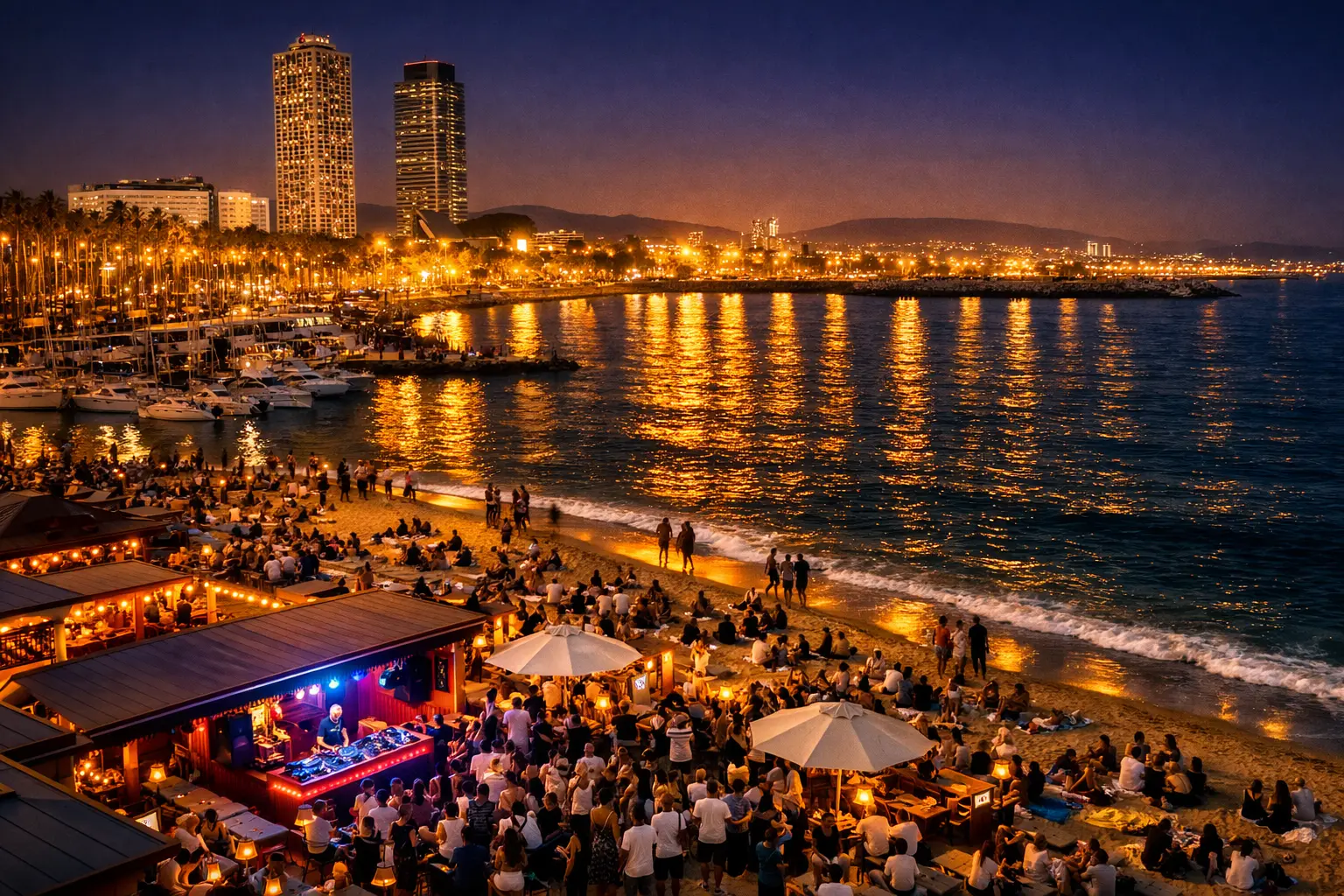
Summer is when Barcelona nightlife shifts into a completely different gear. The beach clubs open their terraces, the festivals stack up across June and July, and the city fills with visitors from every corner of Europe and beyond. If you are planning a summer trip to Barcelona, the question is not whether there is something happening. The question is how to navigate all of it without missing the nights that are actually worth your time.
This guide covers what to expect from Barcelona’s summer party scene in 2026, month by month: the best clubs and beach venues, the key festivals, how much to budget, and what to sort in advance before you land.
Most European cities have a summer nightlife scene. Barcelona has something closer to a summer nightlife infrastructure. The city has spent decades building a coastline that goes from beach to bar to club in a single strip, and in summer the whole system runs at full capacity.
The Mediterranean heat means nights are genuinely pleasant for outdoor venues well past midnight. Terraces and open-air clubs that sit closed or underused in winter become the best spots in the city from June onwards. The sea breeze along the Barceloneta promenade at 1am in July is one of the better things about being in this city.
The crowd shifts too. Summer brings a noticeably more international mix. Locals tend to retreat slightly from the most tourist-heavy venues and the neighbourhood festivals take on greater importance for them. For visitors, this means the big beachfront clubs are buzzing but not necessarily local, while neighbourhoods like Gràcia and Poble Sec offer a more mixed experience through the summer months.
June is the month that makes the strongest case for booking ahead. The city runs five significant events within a single four-week stretch, and nightlife searches spike harder in June than any other month.
Primavera Sound is one of the biggest music festivals in Europe. The 2026 edition at Parc del Fòrum is sold out, with headliners including The Cure, Gorillaz, Doja Cat, Massive Attack, and My Bloody Valentine. But Primavera is not just about the festival site. The parallel programme, Primavera a la Ciutat, runs free and ticketed shows across city venues the whole week including Sala Apolo, Razzmatazz, and LAUT. Club nights around the festival stretch across the full week.
The crowd during Primavera week is arguably the most music-focused Barcelona sees all year. If your trip overlaps with June 4 to 6, every club in the city benefits from that energy.
Sónar is Barcelona’s long-running electronic music and digital arts festival. The 2026 edition features Charlotte de Witte, Amelie Lens, Skepta, Kelis, and Joy Orbison. More relevantly for nightlife, OFF Week runs in parallel: a city-wide series of club nights at INPUT, Razzmatazz, and smaller venues that draws the serious electronic music crowd. If you are into house and techno, OFF Week is arguably better than the festival itself for pure club experiences.
Sant Joan is the night most visitors underestimate. Locals describe it as bigger than New Year’s Eve. On the night of June 23, the beaches fill with bonfires and fireworks, the chiringuitos crank up DJs, and clubs across the city run special parties. Over 70,000 people end up on Barcelona’s beaches. If your trip falls over June 23, it deserves a whole separate evening plan.
Pride in Barcelona runs for three weeks, with the main parade and peak events happening in mid-July. But the Gaixample neighbourhood in Eixample is buzzing from the last week of June onwards, with club nights, outdoor stages, and a generally heightened energy across the district.
July is the hottest month in the calendar and the month when the beach clubs are at their best. There are also two significant events that make 2026 different from any previous year.
For the first time ever, the Tour de France starts in Barcelona. Stage 1 is a team time trial through the city on July 4, with Stage 2 finishing at the Estadi Olímpic on Montjuïc on July 5. The city is expected to see one of the largest influxes of international visitors in its recent history. Hotels are already booking up and club capacity will be under pressure across the opening weekend of July. If your trip overlaps with these dates, plan nightlife earlier in the evening than usual and make sure entry is sorted in advance.
The headline Pride weekend falls here. The parade runs on July 18 and the Gaixample district is effectively a city-wide party from Thursday through Sunday. The Eixample clubs run their biggest nights of the year and the gay beach at Barceloneta is at full summer capacity.
By July, La Terrrazza at Poble Espanyol is running at full summer capacity. This open-air club set inside an architectural space on Montjuïc is one of the best outdoor venue experiences in Barcelona, with views across the city and a crowd that is more local than the Port Olímpic strip. It is a genuine alternative to beachfront clubbing for a night with a different feel.
August is peak beach club month. The Barceloneta and Port Olímpic strip runs at full capacity and the big outdoor venues are operating nightly. It is also the hottest and busiest month, which means queues are longer and prices are higher at the door.
Opium is the largest and most internationally known of the beachfront clubs. The terrace runs all night and the summer DJ programme brings consistent commercial house and R&B. It handles volume well and is the most reliable choice for a group that wants a big summer beach club experience.
Shôko runs directly next to Opium and offers a slightly more relaxed entry into the evening, with the restaurant transitioning into a club after midnight. The terrace and Asian-inflected décor give it a distinct feel from its neighbours.
CDLC (Carpe Diem Lounge Club) is the most lounge-oriented of the beachfront venues. It works well as an earlier stop from around 9pm before the clubs properly start, and the terrace makes it one of the better sunset spots on the strip.
The Wet Deck at the W Hotel is the most stylish option if the full superclub experience is not what you are after. The rooftop pool setting on Sant Sebastià beach runs weekly summer events with a more curated house music programme and a slightly older crowd than the Port Olímpic clubs.
This is the most famous neighbourhood festival in Barcelona. Residents spend months building elaborate street decorations and the whole district runs free outdoor concerts every night for a week. It is not a nightclub event, but the energy spills into the surrounding bars and outdoor venues and Gràcia itself becomes one of the best areas to be in the city for those seven days.
Not every summer night needs to be on the beach. The indoor clubs are better programmed and often better value in summer, and the city’s best rooms are operating with their strongest lineups.
Razzmatazz in Poblenou is the most versatile option for a mixed group. Five rooms across a warehouse space, different music in each, open late, and consistent across the summer season. The air conditioning is also worth mentioning given August temperatures.
Sala Apolo on Carrer Nou de la Rambla hosts the Nitsa Club sessions on weekends, which are among the best electronic music nights in the city. The old theatre setting is worth experiencing and the programming is genuinely strong rather than tourist-facing.
Sutton in Sant Gervasi is the most exclusive indoor option. A strict smart dress code and a selective door, but for groups that meet the standard it is one of the more polished experiences in Barcelona and draws a crowd that skews local and high-end.
Summer pricing is higher than the rest of the year at most venues. Realistic numbers for 2026:
Club entry on a weekend runs €25 to €40 at the major Port Olímpic clubs. Razzmatazz and Sala Apolo typically come in at €15 to €25 depending on the night. Drinks inside run €10 to €18 for a cocktail or long drink, and beer runs €6 to €8.
Beach club entry during the day is often free or low-cost, but sunset and evening events carry entry charges of €15 to €30 in peak season.
VIP table service at the beachfront clubs starts at around €300 to €400 minimum spend and represents good value for groups of six or more who plan to drink across the full night.
A realistic budget for a couple doing two proper nights out, including entry and four drinks per person per night, sits at €150 to €250 total. For a group of ten doing the same, expect €600 to €900 between them.
Understanding how club pricing works in Barcelona before you go avoids the most common overspending mistake, which is paying full door price late on a Saturday after a long queue.
Summer is the one time of year when planning ahead actually changes the quality of your nights rather than just the convenience.
Entry: Advance tickets or a booking of some kind matters from late June onwards. Clubs at full summer capacity use discretionary door policies and large groups without reservations face a real risk of being turned away or waiting very late. Sorting entry before you arrive removes that variable entirely.
Festivals: Primavera Sound 2026 is sold out. Sónar tickets sell out in advance for the best sessions. If festivals are part of your plan, check availability now rather than assuming walk-up entry is possible.
Timing: How Barcelona nightlife actually works is different in summer than visitors from northern Europe expect. Clubs do not fill properly until 2am, and the best hours are between 2am and 4am. Arriving at midnight is fine. Arriving at 11pm at a club means you will be standing in a near-empty room.
The easiest way to skip the lines in peak summer is to book entry before the night rather than relying on guestlists or walk-in luck. This is especially true in July and August.
Late May: The beach clubs open. Quieter but genuinely good value, especially on weekdays. La Terrrazza opens for the outdoor season.
June: The busiest event month of the year. Primavera Sound, Sónar, OFF Week, Sant Joan, and the start of Pride. City is buzzing constantly. Book everything.
July: Peak beach club season. Tour de France Grand Départ July 4 to 6 brings a massive international crowd. Pride peaks July 16 to 19. Highest prices and longest queues of the year.
August: Full peak summer. Festa Major de Gràcia from August 14 to 20. Beach clubs at maximum capacity. Book entry in advance at every major venue.
September: The city slows slightly but is still warm and lively. La Mercè, Barcelona’s biggest city festival, runs September 23 to 27. One of the most underrated weeks of the year for nightlife.
Whether you’re visiting for one weekend or several nights, Barcelona Party Pass is designed to make nightlife simpler, more flexible, and easier to enjoy. Get your ticket now.
Late June combines the best of festival season with warm weather and a strong club programme. July offers the peak beach club experience and is the most energetic month, but it is also the busiest and most expensive. September is underrated: the weather is still warm, the crowds thin slightly, and the city festival La Mercè makes the last week of September genuinely special.
For daytime access, most do not. For evening and late-night events in peak season, especially at venues like Opium, Pacha, and Shôko on weekends, entry charges apply and advance booking is strongly recommended. Walking up late on a Saturday in August without a ticket is one of the most reliable ways to waste an evening.
If the music lineup suits you, yes. But even if you do not have festival tickets, Primavera Sound week is one of the best times to be in Barcelona purely for club nights. The Primavera a la Ciutat parallel programme puts strong acts into Sala Apolo, Razzmatazz, and LAUT all week, many for free or low-cost entry.
For pure scale and energy, Opium. For a more stylish, less frenetic experience, the Wet Deck at the W Hotel. For a combination of restaurant and club that works for groups who want dinner before the night, Shôko. For daytime beach vibes, CDLC from around 5pm.
For a serious week out: budget €30 to €40 per night for entry across five nights, plus €40 to €60 per night for drinks inside clubs. That gives a total of roughly €350 to €500 for the nightlife portion of the trip. Advance planning and buying entry in advance reduces the entry cost significantly.
Barcelona is generally safe. The main practical risks are pickpockets, particularly on Barceloneta beach and on the Ramblas, and the occasional overpriced drinks at tourist-facing venues. Sticking to named venues rather than unknown promoters, keeping valuables in inside pockets rather than bags, and understanding how entry works before you go removes most of the risk.

Mofie is a Barcelona-based nightlife host and co-founder of Barcelona Party Pass. When the sun goes down, he's out helping travellers find the best parties in the city: skipping lines, dodging tourist traps, and keeping the night going.
Mofie is a Barcelona-based nightlife host and co-founder of Barcelona Party Pass. When the sun goes down, he's out helping travellers find the best parties in the city: skipping lines, dodging tourist traps, and keeping the night going.
See what’s coming up — and if you’re unsure where to start, send us a message while you explore.
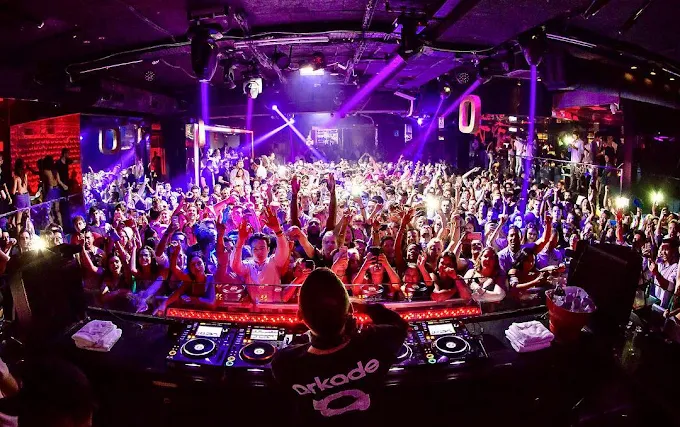
A relaxed start to the week with beachside venues and a huge coastal club finish.
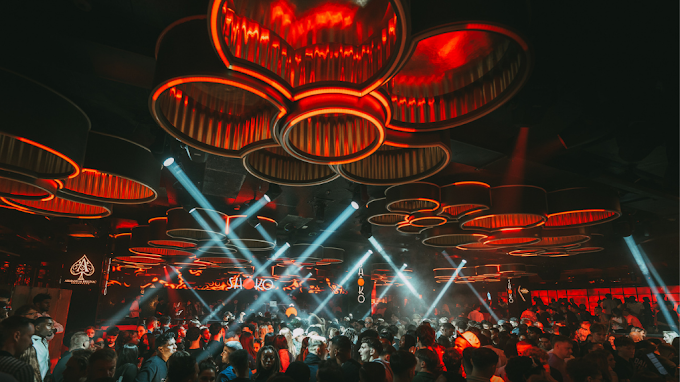
Two beach bars and one of Barcelona’s biggest waterfront clubs.
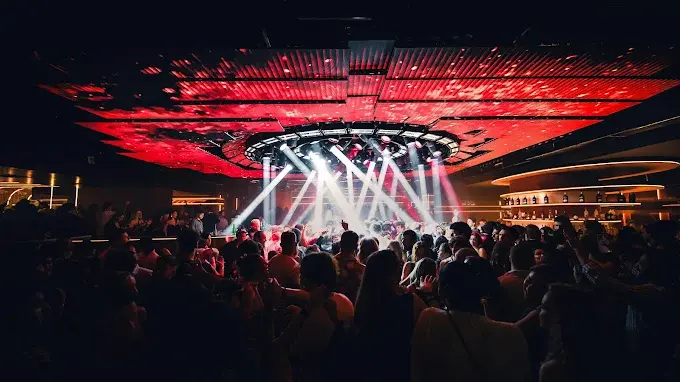
Midweek comes alive with local bars and a legendary uptown club.
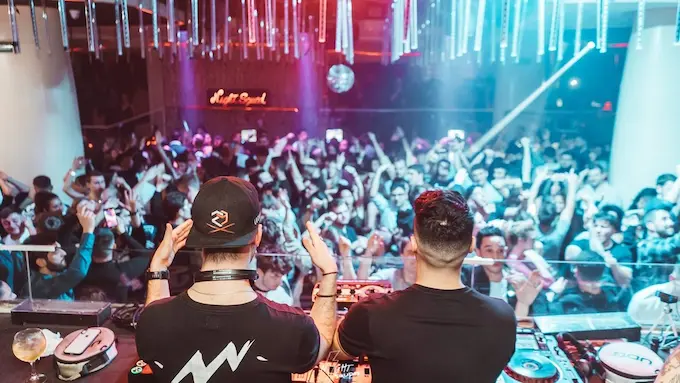
A high-energy night with beach bars and an iconic global nightclub.
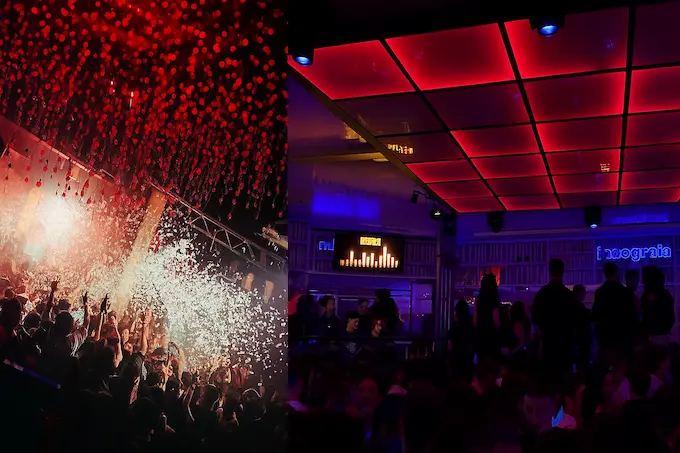
A massive Friday featuring one bar and two of the city’s busiest clubs.
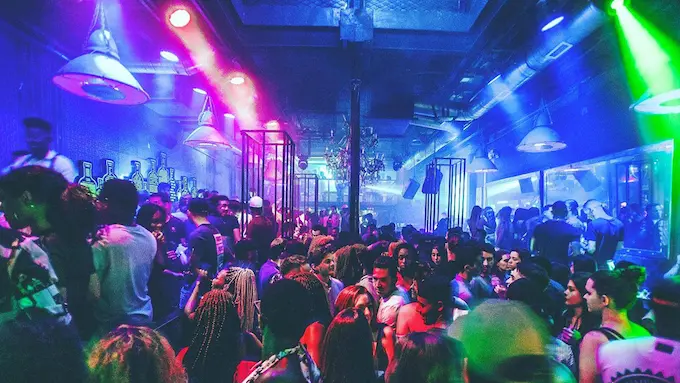
A big Saturday night featuring popular local bars and a multi-floor dance club.
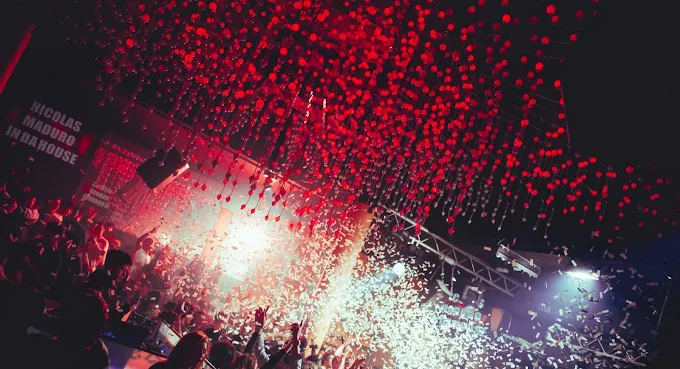
End the week with a relaxed bar lineup and a lively final-stop club.
We use cookies to improve your experience on our site. By using our site, you consent to cookies.
Manage your cookie preferences below:
Essential cookies enable basic functions and are necessary for the proper function of the website.
You can find more information in our Cookie Policy and Privacy Policy for Barcelona Party Pass.